Reimagining Neurological Disease Through Human Neural Models

We uncover how genetic variation rewires RNA regulatory programs, neuronal metabolism, and circuit function to drive pediatric neurological disease.

From Patients to Precision Therapies

🧬
Patient Genetics
Disease-causing variants from patients & cohorts
✂️
Genome Engineering
CRISPR editing in human iPSCs
🧠
Human Neural Models
Organoids, assembloids & neural circuits
🔬
Mechanistic Discovery
Multiomics, imaging & electrophysiology
💊
Precision Therapeutics
ASO, AAV & small molecule strategies

About the Lab

Decoding the genetic basis of brain disorders

The Chen Lab investigates the genetic mechanisms underlying pediatric neurodevelopmental disorders. Building on advances in multi-level in vitro and in vivo 3D cellular systems, we aim to investigate how disease-causing variants alter gene networks, cellular states, and circuit-level phenotypes in the developing human brain.

Our Mission

The Chen Lab integrates human genetics, stem cell biology, genome engineering, and functional neuroscience to transform genetic discoveries into mechanistic insight and therapeutic innovation.
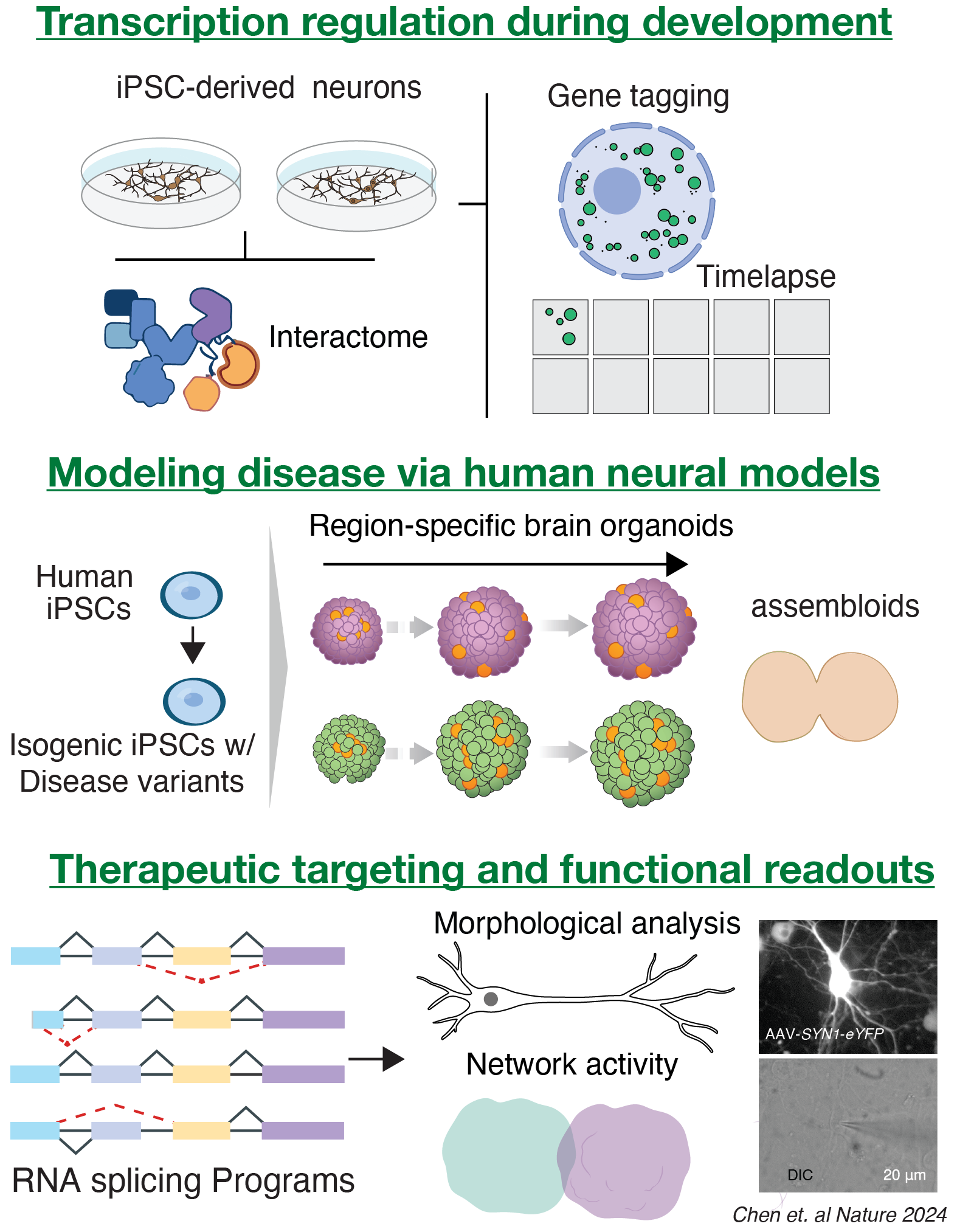
Brain organoids and iPSC cultures from Chen Lab

Research Focus

Our scientific questions

We combine human genetics, stem cell biology, and 3D brain models to understand how disease-causing variants reshape the developing brain — and how to fix them.

01

Neurodevelopmental Disorders

Millions of children worldwide are affected by neurodevelopmental disorders including autism spectrum disorder, epilepsy, and intellectual disability — yet the cellular and molecular mechanisms underlying most cases remain poorly understood. We take a genetics-first approach, starting from disease-causing variants identified in patients and asking how they alter gene expression, neuronal connectivity, and brain circuit function. Using patient-derived iPSC models and precision CRISPR genome editing, we aim to build mechanistic bridges between genetic variants and the cellular phenotypes that define disease.

ASD Epilepsy iPSC CRISPR Timothy Syndrome PCDH19
🧬
Image coming soon
02

3D Human Brain Models

The human brain cannot be studied directly — which is why we build it in a dish. Our lab develops and applies next-generation 3D cellular systems, including cerebral organoids, cortical assembloids, and cortico-motor assembloids, to recapitulate key aspects of human brain development. These models let us observe how neurons are born, migrate, wire together, and fire in real time — and critically, how disease variants derail each of these steps. We combine live imaging, electrophysiology, and single-cell genomics to extract rich phenotypic information at scale.
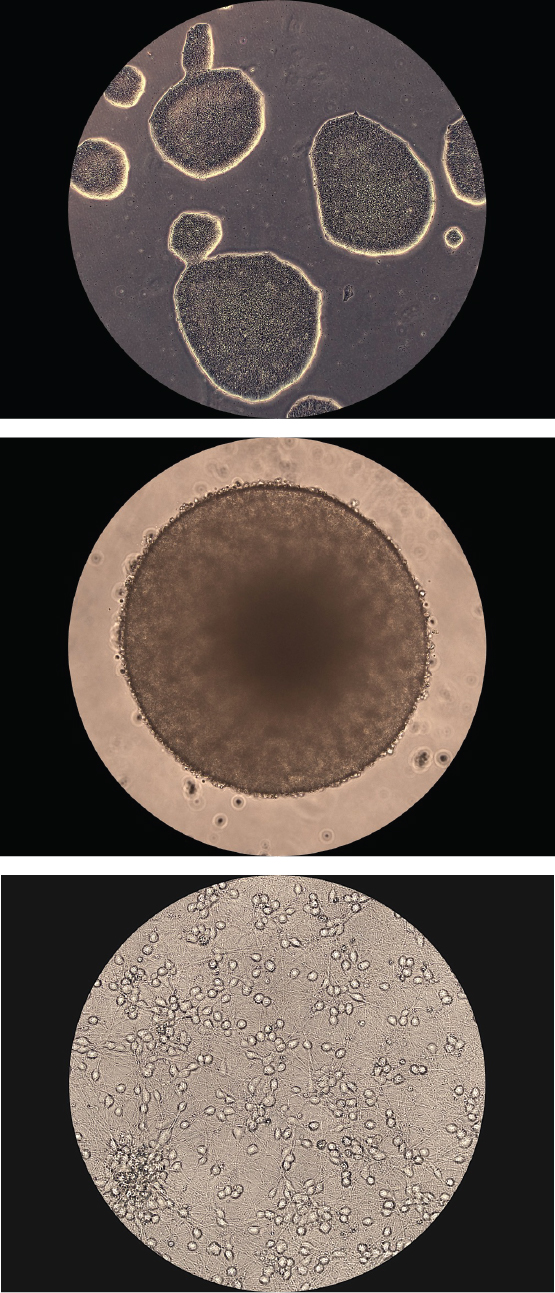
Organoids Assembloids MEA Calcium Imaging Brain-on-chip
Research pipeline: Humans to iPSCs to Brain Organoids
03

RNA Splicing & Gene Networks

Alternative splicing is one of the most powerful mechanisms by which the genome generates cellular diversity — and one of the most frequently disrupted in neurological disease. We study how disease-causing variants in splicing regulators, including SRRM2 and related factors, remodel RNA processing networks during human neurodevelopment. By integrating RNA sequencing, single-cell multiomics, and functional perturbations in our 3D models, we aim to decode the splicing code of the developing brain and identify vulnerabilities that can be targeted therapeutically.
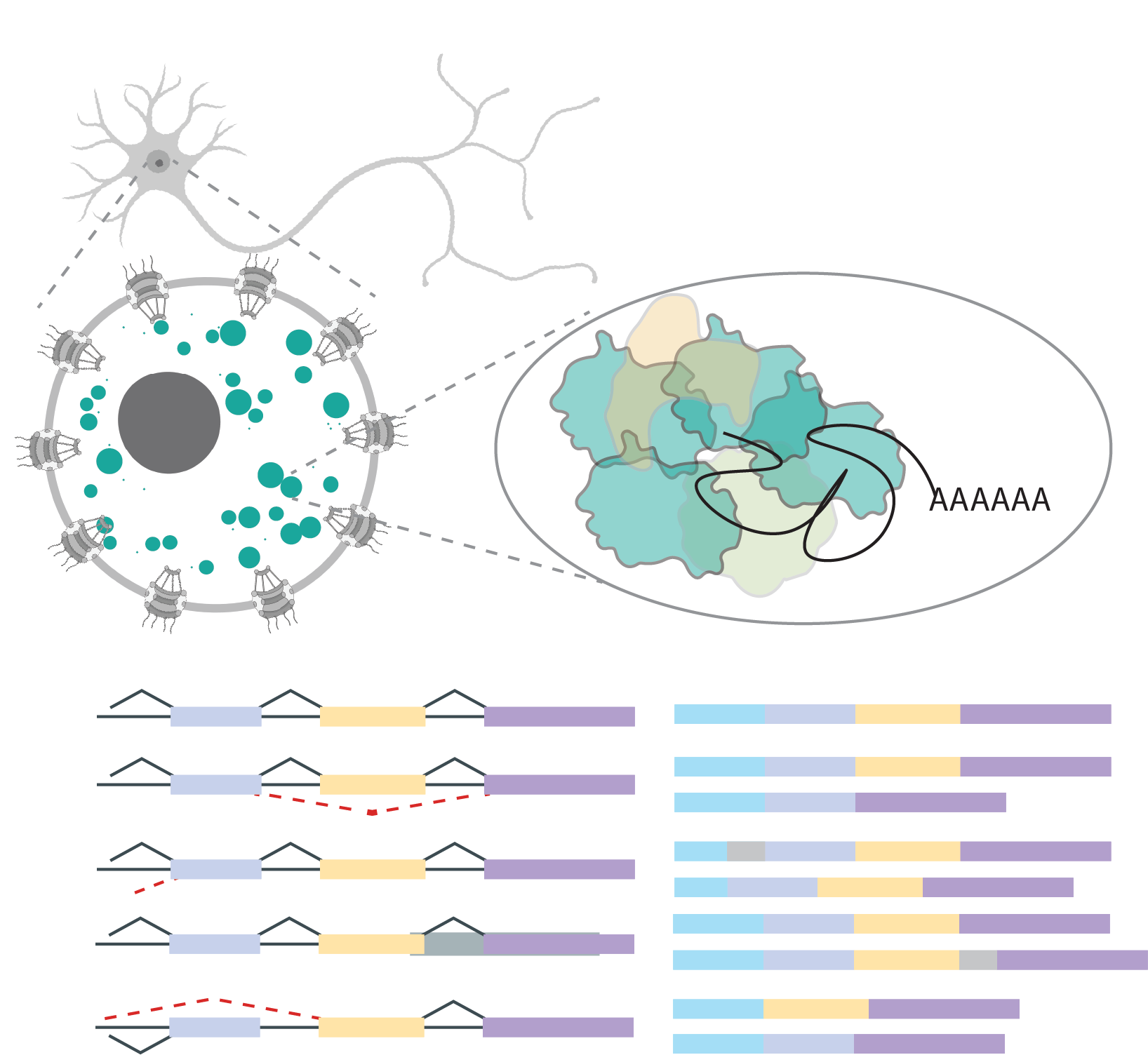
RNA Splicing SRRM2 scRNA-seq Gene Networks Multiomics
Pre-mRNA splicing diagram
04

Precision Therapeutic Strategies

Understanding disease mechanisms is only the first step — our ultimate goal is to develop treatments. We use our mechanistic insights to design and test precision therapeutic strategies, with a particular focus on antisense oligonucleotides (ASOs). Our work on Timothy syndrome demonstrated that allele-specific ASOs can rescue neuronal phenotypes in human brain organoids and improve outcomes in mouse models — representing the first therapeutic strategy for this severe condition. We are now extending this approach to additional disorders and exploring AAV-based gene therapy and small molecule screens as complementary strategies.
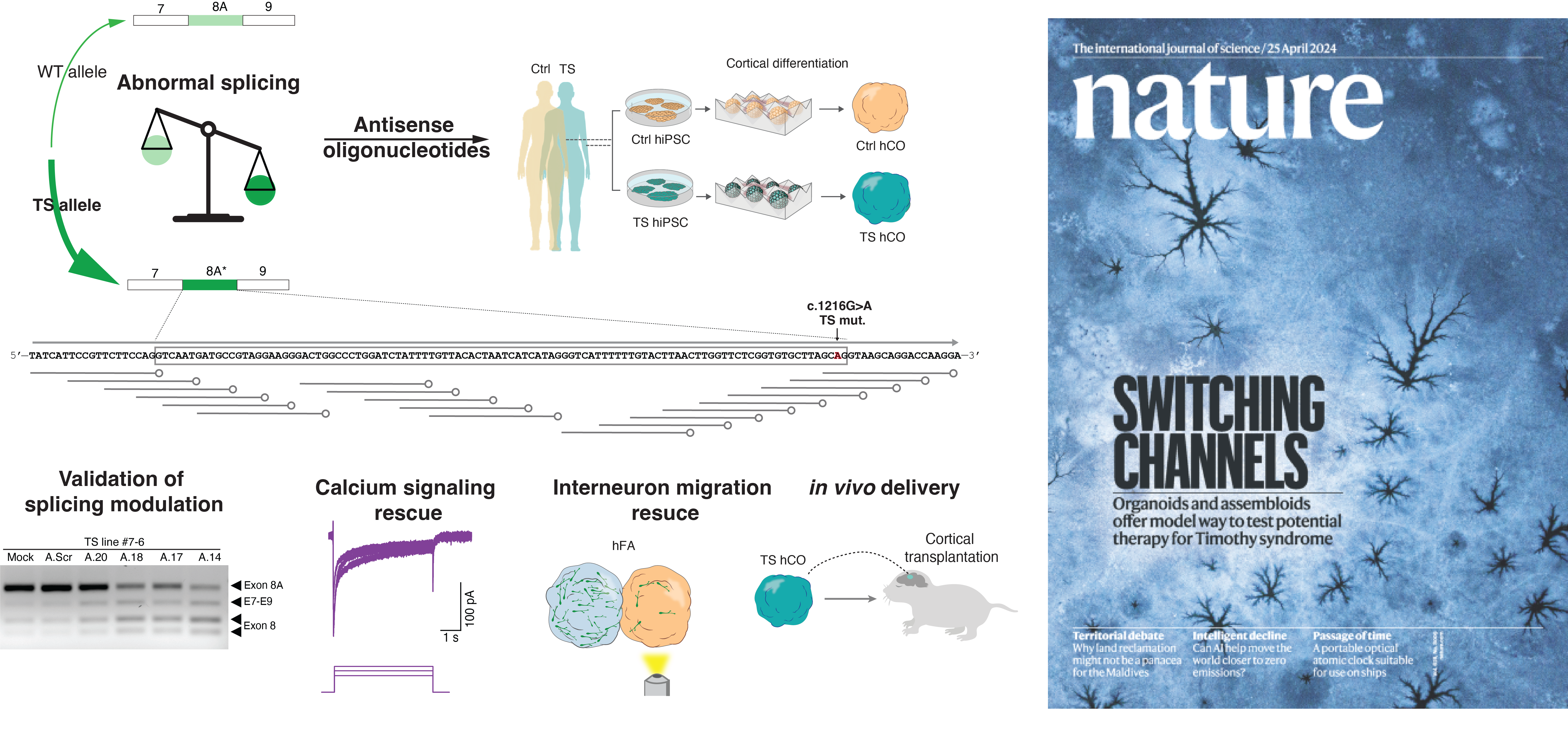
ASO AAV Drug Screen Timothy Syndrome Gene Therapy
💊
Image coming soon

Publications

Recent work

Selected publications from the Chen Lab. For a complete list, see Google Scholar.

Loading publications…

The Team

Meet the people

Lab Members

Lab Life

Life in the lab

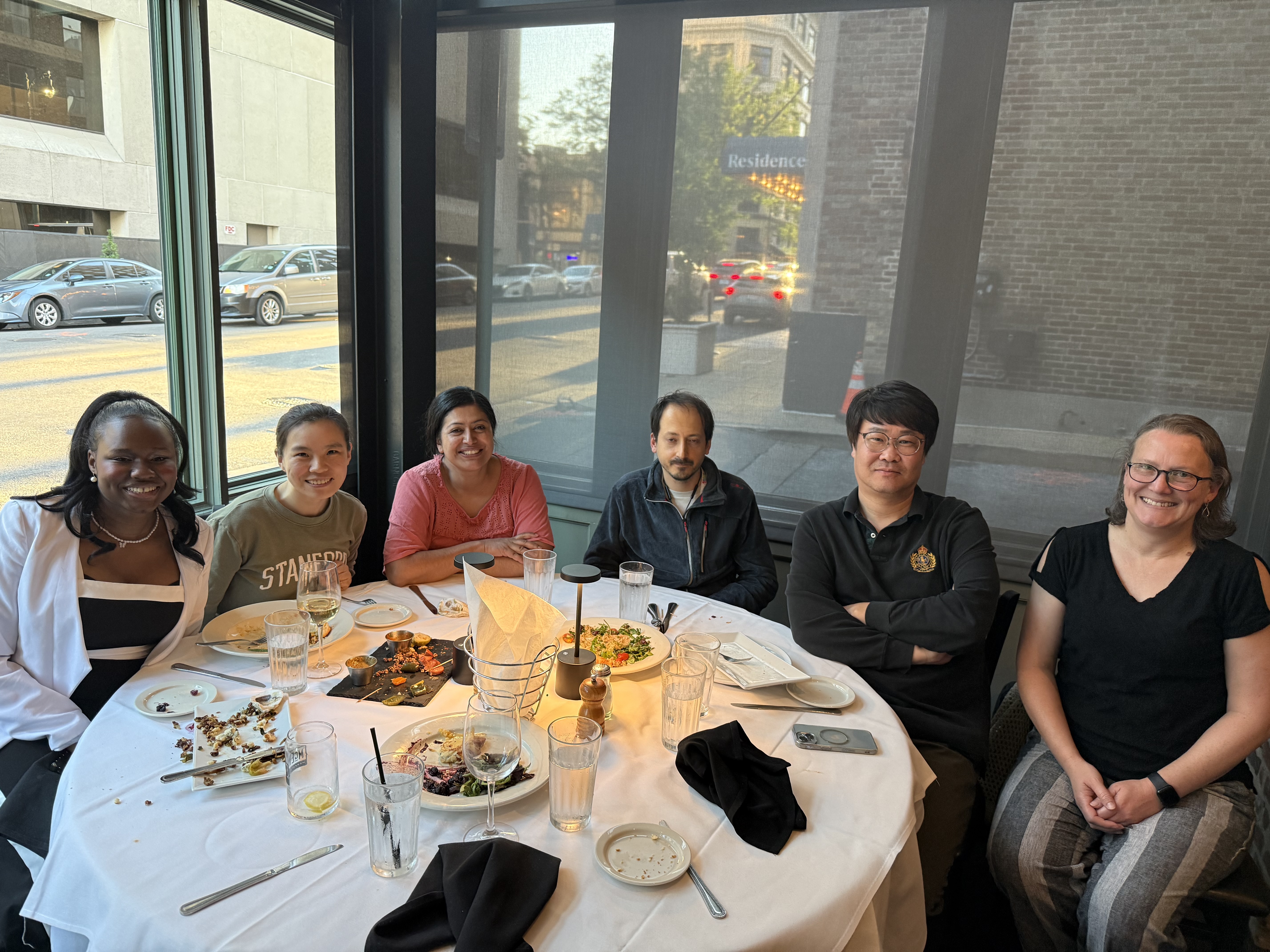
Science is better together — moments from the Chen Lab.

📸
Add photo
📸
Add photo
📸
Add photo
📸
Add photo
📸
Add photo
📸
Add photo

News & Updates

Lab news

Latest updates from the Chen Lab.

Jul 2026
🎓 Katelyn King officially joined the lab for her PhD dissertation research!
Jun 2026
🎓 Elizabeth Duecker officially joined the lab for her PhD dissertation research!
Jul 2026
🏆 Xiaoyu received the American Epilepsy Society Junior Investigator Award
Jul 2026
🎉 Our lab was awarded the PTNI development fund to study DMD
May 2026
👋 Welcome Vedant Kathiriya to the lab!
Vedant joins us for the Summer Plus Program. He is an undergraduate student from Rhodes College.
Mar 2026
👋 Welcome Elizabeth Duecker to the lab!
Elizabeth is starting her rotation from the Neuroscience Graduate Program at the University of Tennessee Health Science Center (UTHSC).
Feb 2026
👋 Welcome Katelyn King to the lab!
Katelyn is starting her rotation from the BMS PhD program at St. Jude Children's Research Hospital.
Jan 2026
👋 Welcome Kilsoo Jeon, PhD to the lab!
Kilsoo joins the lab as a scientist.
Oct 2025
👋 Welcome Jyotsna Joshi, PhD to the lab!
Jyotsna joins the lab as a postdoctoral scholar.
Oct 2025
🚀 The Chen Lab is officially launched at St. Jude Children's Research Hospital!
Sep 2024
🏆 Xiaoyu received the inaugural Shoshana Levy Early Career Award
Xiaoyu received the inaugural Shoshana Levy Early Career Award to Support Women in Science at Stanford University.
Read more →
Apr 2024
📄 Our Timothy syndrome paper is published in Nature — featured on the cover!
Our work on developing an antisense oligonucleotide therapeutic strategy for Timothy syndrome is published in Nature.
Read the paper →
Aug 2021
🏆 Xiaoyu received the Autism Speaks Postdoctoral Fellowship
Read more →

Join Us

Be part of the mission

We are always looking for passionate scientists to join our team.

🎓
Graduate Students
We accept rotation students through the St. Jude Graduate School of Biomedical Sciences and the University of Tennessee Health Science Center.
🔬
Postdoctoral Fellows
We seek creative and rigorous postdoctoral scientists with backgrounds in neuroscience, genomics, stem cell biology, or computational biology.
⚗️
Research Scientists
Experienced research scientists with strong technical skills in cell culture, molecular biology, or bioinformatics are encouraged to reach out.
Get in Touch →

Contact

Get in touch

We welcome inquiries from prospective lab members, collaborators, and the press. Please reach out by email.

📍
Location Center for Pediatric Neurological Disease Research (CPNDR)
Department of Cell & Molecular Biology
St. Jude Children's Research Hospital
262 Danny Thomas Place, Memphis, TN 38105
📍
St. Jude Children's Research Hospital
Memphis, Tennessee